

FREE SHIPPING ON $75+ ORDERS!

Child with muddy winter clothing and adult in pink hat standing in the snow.

Winter Is Messy, Wet, and Cold

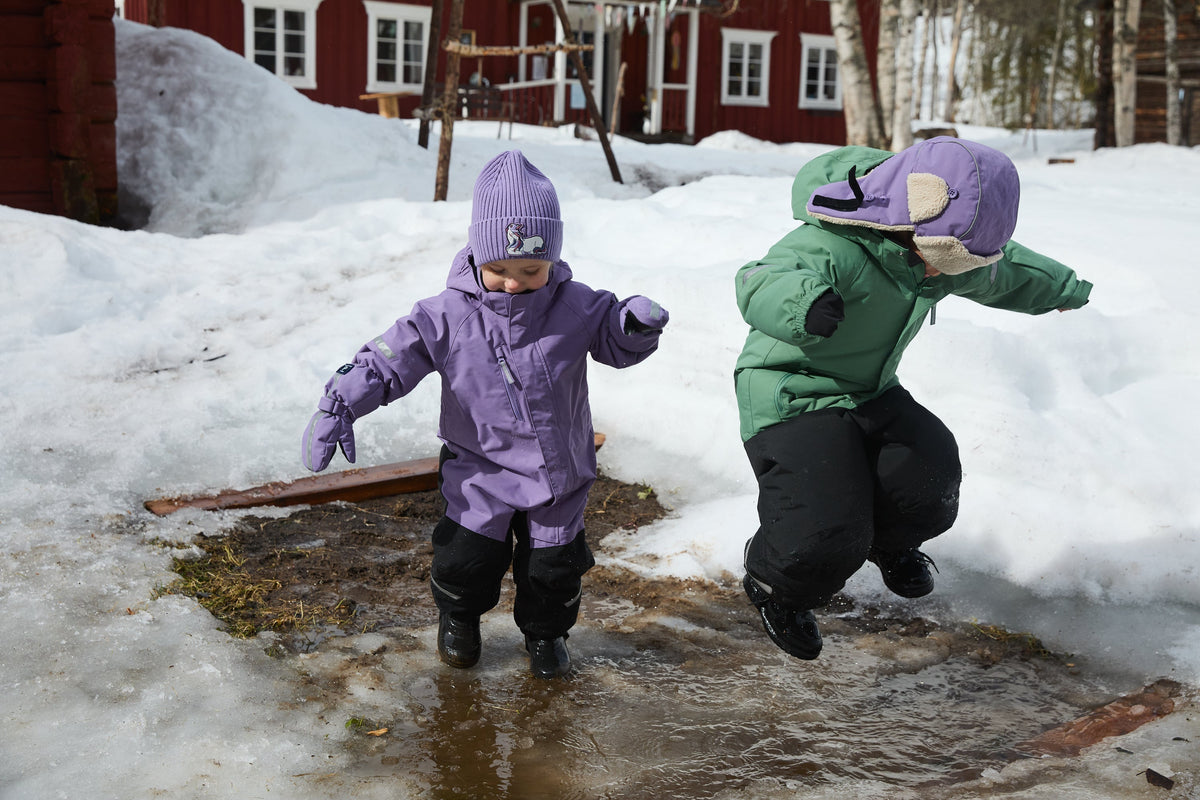
Wet, changeable winters call for flexible pieces that can be rotated as conditions change.

Core clothing and accessories:

  • Wool or synthetic base layers designed to be worn next to the skin
  • Removable insulating midlayer
  • Warm socks
  • Hat and suitable neck coverage
  • Waterproof mittens or gloves
  • Spare dry socks and mittens


Choose outerwear and footwear for the day:

  • Insulated waterproof jacket and pants, or a snowsuit
  • Waterproof shell or rain set with appropriate layers underneath
  • Waterproof boots with insulation suited to the conditions
  • Rain boots for milder wet conditions when suitable


These are options to rotate—not a list of layers to wear all at once. Check what you already own before buying extras.

Get the FREE Northeast Wet-Winter Checklist

SHOP THE CHECKLIST
Child wearing a matching rust-orange long-sleeve top and brown pants, standing barefoot against a plain light gray studio background.

Base Layer

Start with moisture management.

Wool or synthetic base layers designed to be worn next to the skin help manage moisture and provide flexible warmth.

SHOP BASE LAYERS

Child wearing a bright orange two-piece tracksuit with a quarter-zip pullover and matching pants, standing against a light gray studio background.

Mid Layer

Add removable warmth.

Use a fleece or insulating midlayer when conditions are cold, then remove it as activity or temperatures increase.

SHOP MID LAYERS

Child wearing a light blue ski jacket, dark navy snow pants, a navy beanie, and gloves, standing against a light gray studio background.

Outer Layer

Add a waterproof barrier where it’s needed.

Already have a warm coat or snowsuit? If it isn’t keeping wet weather out, suitably fitting waterproof rainwear can go over it. This helps families and schools use the winter clothing they already have while adding protection for slush, rain, and muddy play.

SHOP WINTER OUTERWEAR

Don’t Forget the Small Things

Insulated Mittens + Gloves

Waterproof insulated mittens help keep hands warm and dry through wet snow, slush, and freezing conditions.

Shop Winter Mittens + Gloves

Wool Socks

Wool socks and tights add adaptable warmth while helping kids stay comfortable through changing winter conditions.

Shop Wool Socks

Winter Hats

Choose a warmer winter hat when temperatures drop, with lighter options available for fall, spring, and milder days.

Browse Winter Hats

Rain + Snow Boots

Choose boots for both wetness and warmth. Uninsulated rain boots may suit milder muddy days, while cold slush and extended winter play can call for insulated waterproof boots. Check the boot’s intended use, fit, and sole grip rather than choosing by the label “rain” or “snow” alone.

Shop Boots + Liners

Why Messy Winters Are So Challenging

Keep the warmth you have. Add the waterproof protection you need.

A winter coat or snowsuit can keep kids warm without keeping them dry through hours of wet snow, slush, and muddy play. Before replacing it, look at what is missing.

For families and schools working within a budget, a waterproof rain jacket and rain pants or bibs worn over existing winter clothing can be a practical solution. The winter gear supplies warmth; the rainwear adds a barrier against wet conditions. Those same rain pieces can be worn over lighter clothing when the weather warms up.

Choose rainwear that fits comfortably over the clothing underneath, without squeezing the insulation or restricting movement. Adjust the warmth underneath for the day’s temperature and activity. If existing winter gear already keeps your child dry in those conditions, another waterproof layer may not be necessary.

Choose Your Situation

Child wearing a pink waterproof one-piece suit, a cream knit pom-pom beanie, and black boots splashing in muddy water outdoors.

Wet Snow + Slush

Keep useful winter clothing in rotation by adding waterproof protection where it falls short.

What to prioritize

  • Warm clothing suited to the temperature
  • Waterproof rain jacket and pants or bibs over winter gear when needed
  • Enough room for comfortable movement and insulation
  • Waterproof mittens and boots with appropriate warmth

SHOP COLD + WET GEAR

Child wearing a navy blue Helly Hansen winter jacket with a white HH logo on the chest, a brown fur-trimmed hat, and a light purple shirt, photographed outdoors in the snow.

Temperatures Around Freezing

Around freezing, activity and temperature can change how much insulation a child needs. Make the removable midlayer the easiest adjustment during the day.

  • Wool or synthetic base layer
  • Removable insulating midlayer
  • Weather-appropriate outerwear
  • Warm socks and waterproof footwear

SHOP FLEXIBLE LAYERS

A child wearing a bright yellow winter parka with a fur-trimmed hood and matching snow pants stands in deep snow, kicking up a spray of powder against a clear blue sky.

Colder Snow Days

When temperatures stay colder for longer periods, use suitable insulated winter gear and add warmth based on the forecast, activity level, and time outside.

  • Insulated waterproof winter outerwear
  • Moisture-managing base layer
  • Insulating midlayer as needed
  • Insulated waterproof boots and mittens

READ THE DEEP-COLD GUIDE

Child with muddy winter clothing and adult in pink hat standing in the snow.

Winter Thaws + Muddy Days

When temperatures rise and winter turns wet and muddy, switch to a suitable rain or shell system while keeping enough warmth underneath for the conditions.

  • Waterproof rain or shell outerwear
  • Removable midlayer as needed
  • Warm socks
  • Suitable waterproof boots

SHOP RAIN GEAR

Two children in colorful winter jackets standing on a wooden boardwalk with dry grass and trees in the background.

Make the Gear You Have Work Harder

You may not need to replace your child’s winter wardrobe. Start with the warmth you already have, then add waterproof rainwear where extra protection is needed. For schools, shared waterproof outer layers can help accommodate the different winter clothing children arrive in—and keep the gear budget focused on the biggest gaps.

SHOP COLD + WET GEAR

FAQs